The Supporting Cast: Getting Bridal Lingerie and Underlayers Right

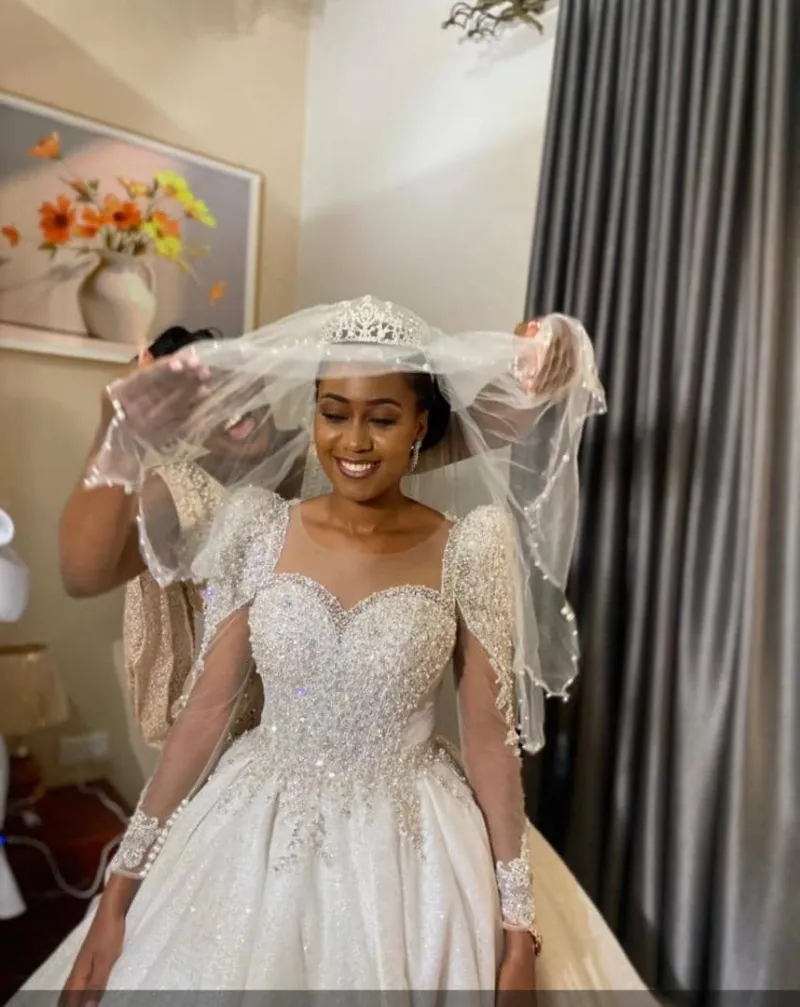
Photo: bride fitting room lingerie slip petticoat wedding dress underlayers stock photo, via i.pinimg.com
You can usually spot an underlayer problem from across the fitting room. The dress looks right on the hanger, the bride looks lovely, and then she lifts her arms and the whole bodice shifts north. Or she sits down and the shapewear rolls. Or she walks and the petticoat makes a noise like a crisp packet. None of these are dress faults. They are foundation faults.
Most appointments concentrate on the gown. That is understandable — it is the expensive, emotional, photographed part. But the layer underneath decides whether the gown fits, feels and falls correctly. Get it right and the dress does less work. Get it wrong and every alteration is a patch on a wobbly base.
Here is a practical guide to bridal lingerie and underlayers for UK brides in 2026, from the first appointment to the final fitting.
Start with the dress, not the drawer
Before you buy anything, find out what the dress already has. Many modern gowns come with moulded cups, boning, a built-in bra shelf or a corset back. If the dress has structure, adding a rigid bra underneath can create lumps and fight the seams. Ask the consultant what the sample is designed to be worn with, and whether the designer recommends a specific bra shape. This is especially relevant if you are shopping sample sales or second-hand, where original underlayers may be missing.
The bra question: built-in, sewn-in or brought along
Three routes. First, wear the dress over a bra you already own and trust. Second, have cups sewn into the dress during alterations. Third, buy a specific bra for the dress. Each has trade-offs.
A sewn-in cup is low-fuss and removes strap anxiety, but it offers limited support for larger cup sizes and can be tricky to adjust after the dress is finished. A separate bra gives more lift and choice, but straps must stay hidden and the band must not slide. For backless or low-back styles, a stick-on or low-back converter can work for a short ceremony, but test it in advance — adhesive loses grip with heat and movement.
If you are buying a bra for the dress, go to a fitting with the dress or its measurements. Bravissimo, Rigby & Peller and the lingerie departments at John Lewis and M&S all offer fittings; independent corsetry specialists such as What Katie Did are worth knowing for vintage shapes. Take the dress fabric swatch if you can. Nude is not one shade, and the wrong nude will show through ivory tulle under venue lighting.
Slips and petticoats: volume, static and the swish test
Slips do two jobs: they stop fabric clinging and they add a smooth layer between you and the dress. A simple bias-cut slip in a breathable fabric is often enough. If you want volume, a petticoat adds shape, but it also adds heat, weight and noise. Tulle petticoats are lighter than net; cotton-covered hoops are cooler than synthetic.
The swish test matters. Walk the length of the fitting room, turn, sit, and stand again. Listen. A petticoat that rustles loudly will be picked up by microphones during vows. Check the hem length against the dress — a petticoat that peeks below a tea-length gown looks deliberate only if it is meant to. And check static: in winter, heated rooms and synthetic fabrics can make slips cling. A light spritz of anti-static spray or a cotton slip instead of polyester can solve it.
Shapewear: the difference between smoothing and fighting
Shapewear is not a moral requirement. It is a tool. If you want a smoother line under a bias-cut silk dress, a light control brief or slip may help. If you want dramatic waist definition, a corset or high-waisted girdle can do it — but it will change how the dress fits, so it must be part of fittings, not an afterthought.
The main mistake is buying shapewear that is too small. It will roll, dig and make you miserable by the speeches. Buy your actual size, try it under the dress for at least twenty minutes, and sit down. If you cannot breathe through the first dance, it is not the right piece. Also consider bathroom logistics: a high-waisted bodysuit with a closed gusset is impractical for a long day. Look for open gussets or two-piece options.
The fitting-room tests that actually matter
Run these checks every time you try the dress with a new underlayer:
- Arms up, arms forward, arms across. Does the bodice stay put? Do straps dig?
- Sit for two minutes. Does the shapewear roll? Does the slip ride up? Does the petticoat bunch?
- Walk a full loop of the shop. Listen for rustle and check the hem.
- Hug someone. This is the real test for backless styles and low backs.
- Stand under the brightest light in the room. Check for show-through, especially with ivory and blush fabrics.
- Take a photo with flash. Phone flash reveals more than a mirror ever will.
Questions to ask before you pay
At the boutique or alterations appointment, ask:
- Does the dress have built-in cups or boning, and what bra shape does the designer recommend?
- Can cups be sewn in during alterations, and what is the cost?
- What is the return policy on lingerie? For hygiene reasons, many shops will not accept returns on worn briefs or shapewear, so buy early enough to test at home.
- Will the seamstress fit the dress over the exact underlayers I plan to wear? If not, book a second fitting with them.
- Is the fabric likely to show bra lines or petticoat edges under venue lighting?
- What is the plan for bathroom breaks? This sounds flippant, but it matters.
A short buying order for 2026 brides
Start with the dress. Then buy the bra or corset. Then the slip or petticoat. Then shapewear, if you want it. Then hosiery. Do not buy everything in one panicked afternoon. Give yourself at least two fittings with the full set, including one closer to the wedding when you have had time to live in the pieces.
And keep the receipts. The best underlayer is the one you forget you are wearing. If you are thinking about it all day, it is not supporting you — it is auditioning.