The Chair Is Part of the Look: A 2026 Bridal Styling Guide for Seated Brides
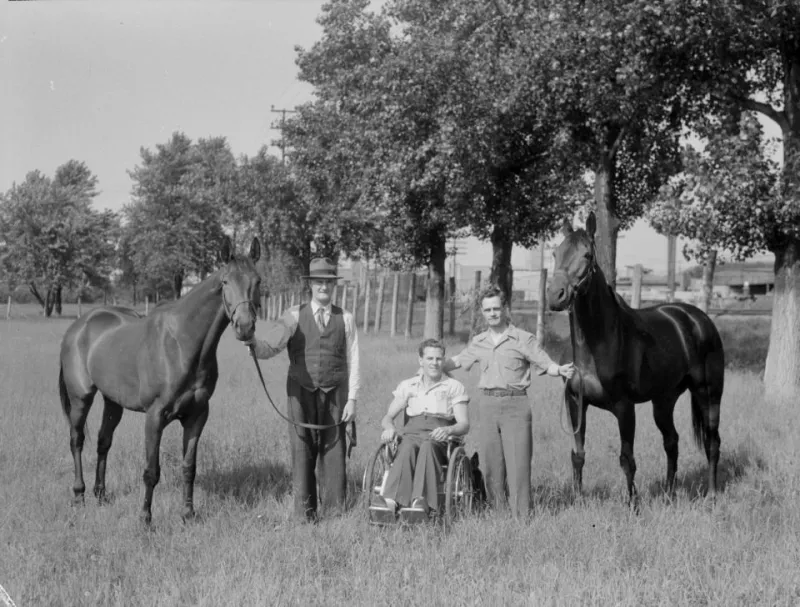
Photo: Conrad Poirier, Public domain, via Wikimedia Commons
Most bridal advice begins with a twirl. Stand here, walk slowly, imagine the aisle, picture the first dance. For brides who use a wheelchair, a mobility aid or simply need to be seated for long stretches, that script is only half the story. At Z Bridal Studio, we think presence is not about posture. It is about fit, fabric and a plan that includes the chair from the first appointment.
Start with the sit, not the stand
Before you fall for a neckline or a sleeve, ask for a seated test. A proper one means sitting in the gown for at least fifteen minutes, ideally on a chair similar to the one you will use on the day. If you transfer from a wheelchair, ask to practise that transfer in the dress, with your usual cushion and any mobility aid you rely on. A gown can look beautiful in a mirror and still fight you the moment you sit down.
Call ahead to UK boutiques and ask the practical questions: Is the fitting room step-free? Is there space to turn a chair? Can a companion come in? Some smaller studios have lovely rails but tight rooms, and it is better to know before you travel. You are not being difficult by asking. You are giving the boutique a chance to do its job well.
Fabric weight and drape matter more when seated
A seated silhouette is shaped by how fabric folds at the lap, waist and back. Heavy structured fabrics can feel armour-like when you are sitting, especially if there is boning or a rigid waist tape. Soft crepe, matte satin, fluid mikado and bias-cut silks tend to skim rather than stab. Tulle can be dreamy, but a full tulle skirt may bunch around the knees and catch under wheels. If you love volume, ask for a softer net or a detachable overskirt that can be removed for the seated parts of the day.
Look at the lining, too. A breathable lining will make a long ceremony and reception far more comfortable. Check the back of the dress: heavy beading, a low zip or a stiff corset back can press against a chair. If you will be leaning back at any point, ask your seamstress about a concealed softer panel or a different closure. Sleeves deserve a mention as well. Set-in sleeves can restrict reaching and propelling; raglan sleeves, capes or detachable sleeves often give more room.
Skirt shapes that work with the chair
A-line skirts with soft gathers are a reliable starting point because they fall away from the body and leave room at the lap. Bias-cut columns and wrap-style skirts can also work beautifully, especially with a front split or a hidden pleat that opens when you sit. Ballgowns with hoops are the hardest to manage: they can lift at the front, trap heat and make transfers awkward. If a big skirt is non-negotiable, consider a soft A-line with a generous hem and no rigid hoop.
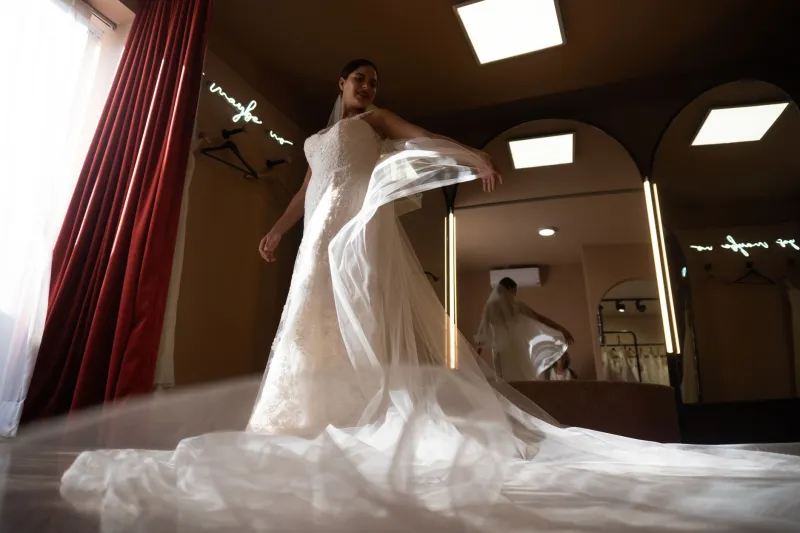
Length is another practical detail. A floor-length hem can catch under wheels or trip a helper during a transfer. Tea-length, ankle-length or a slightly raised front hem may suit a seated day better. Ask your seamstress about hidden loops or a wrist strap so you can lift the skirt when moving. None of this takes away from the romance. It simply means the dress is designed for the whole day, not just the photograph at the top of the aisle.
Alterations and fitting-room questions
Bring your wheelchair or mobility aid to fittings. A seamstress needs to see how the dress behaves when you are seated, not just pinned while you stand. Ask directly: Can the seat seam be let out slightly? Can the waistband be softened? Can the hem be shortened without losing the detail? Can a concealed zip or magnetic closure make dressing easier? If you need a strap widened or a sleeve adjusted, say so early rather than hoping it will settle.
A good UK seamstress will welcome the chance to solve these problems. Experience with seated clients is helpful, but clear communication matters more. Book your final fitting with the shoes, cushion and underlayers you plan to wear. Sit, turn, reach and transfer in the gown. If something pulls, speak up. A small adjustment now is far kinder than a day spent tugging at fabric.
Briefing your photographer and checking the route
Seated portraits need a different brief from the usual standing poses. Tell your photographer where you will be seated, which side you prefer and whether you want the chair visible or kept out of frame. Ask them to shoot at eye level rather than looking down from a standing height. Poses can focus on hands, profile, the bouquet, a shared look or the architecture around you. A chair can be part of the composition rather than an afterthought.
Venue routes deserve a recce, too. Check the path from the car to the ceremony, aisle width, ramps, thresholds, gravel and lifts. Ask the coordinator to keep the aisle clear and to reserve a seating position that gives you a good view without blocking others. Build in extra time for transitions. The goal is not to make the day feel clinical; it is to remove the small frictions that steal your attention.
The quiet details
Underlayers should be comfortable and breathable. If shapewear makes sitting unpleasant, skip it. Choose shoes you can wear without bracing, and check that your bouquet sits comfortably in your lap. A veil can be lovely, but long veils may tangle with wheels or chair frames; a cape or shoulder piece can offer drama with less drag. Pack a small emergency kit with fabric tape, a spare pair of tights if you wear them, and any medication or cushion you need.
The best bridal look is not the one that wins a standing ovation in the mirror. It is the one that lets you sit, move, breathe and be present. Start with the chair, ask the practical questions and let the romance follow.