The Dress That Already Lived: A Practical Guide to Second-Hand Bridal Shopping
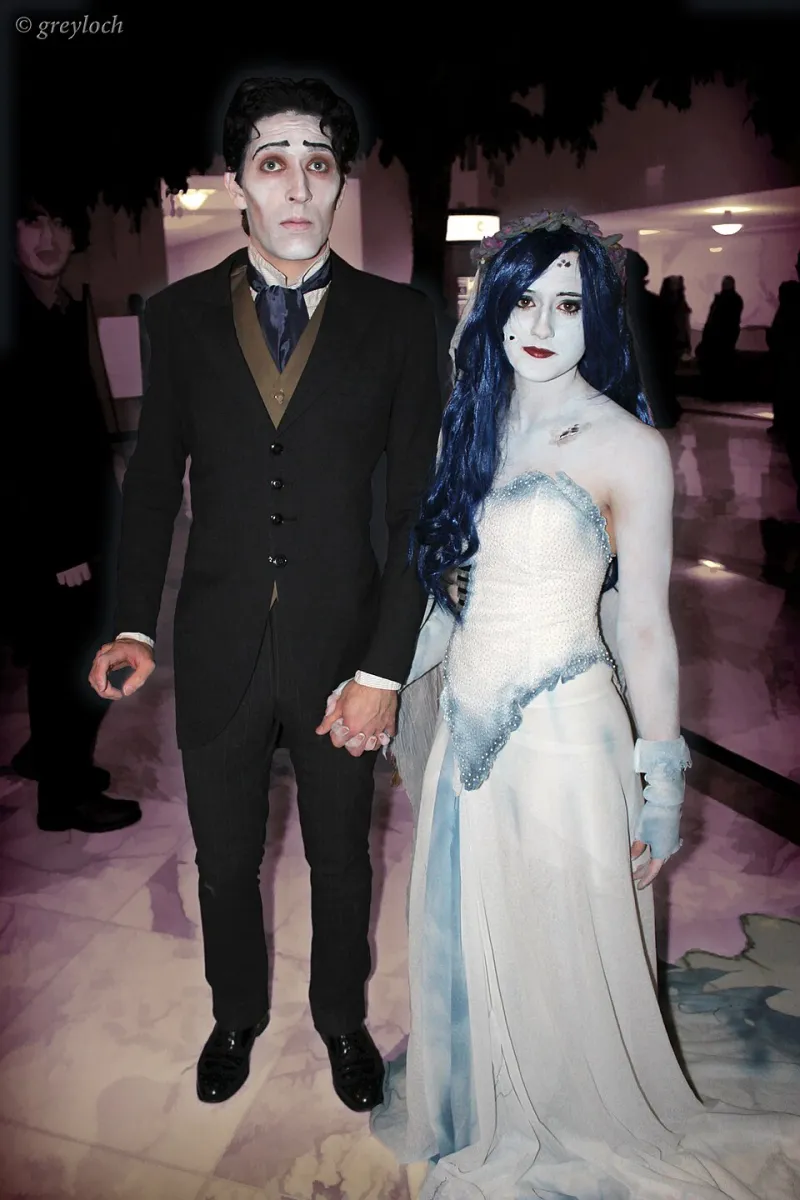
Photo: greyloch from Washington, DC, area, U.S.A., CC BY-SA 2.0, via Wikimedia Commons
There is a particular kind of optimism that comes over you when you spot a wedding dress in a charity shop window. It is usually followed by a practical question: is this actually a good dress, or just a romantic idea with a price tag attached?
Buying pre-loved is not a shortcut to a cheap wedding. It is a different way of shopping, with its own rules, risks and rewards. In 2026, with more UK brides looking at resale platforms, vintage fairs and charity rails, the smart approach is neither misty-eyed nor cynical. It is curious, prepared and willing to walk away.
Start with the shape of the search
Before you open a single app, decide what you are actually looking for. A second-hand dress works best when you are flexible on detail but clear on silhouette, fabric and the kind of wedding you are having. A heavily beaded ballgown is a bargain only if you have a room, a rail and a route to the ceremony that can cope with it.
Make a short note on your phone: neckline, sleeve preference, train length, approximate size range and a realistic ceiling. Include the cost of alterations in that ceiling, not after it. A £400 dress that needs £350 of work is a £750 dress, and it helps to see that number early.
UK sizing is its own small adventure. A vintage British size 12 may not match a modern high-street 12, and bridal sizing can be different again. Ignore the label as much as you can and ask for measurements: bust, waist, hips, shoulder to hem, and the fullest part of the skirt. If a seller will not provide them, treat that as information too.
Where to look, and what each route is good for
Charity shops are the wildcard. You might find a donated sample, a family dress or something genuinely lovely that has been priced to move. The trade-off is usually limited try-on space and a no-returns policy. Go with a friend, wear neutral underwear and shoes you can slip off, and be ready to make a calm decision rather than a hopeful one.
Vintage fairs and bridal resale events give you the chance to touch the fabric and see the dress in daylight. They are good for older cuts, lace, crepe and simple shapes that photograph badly on a hanger. Ask about provenance, but do not expect a full documentary trail. A dress can be beautiful without a complete backstory.
Online resale platforms and specialist pre-loved bridal sites offer the widest choice. They also reward patience. Search using fabric and silhouette terms rather than just 'wedding dress', and save searches with alerts. Ask for photos in natural light, close-ups of any marks, the inside lining, the zip, the hem and the label. A video of the dress moving can tell you more than ten static shots.
The twenty-minute inspection
When you are standing in front of a second-hand dress, slow down. Start at the seams and work outward. Check the underarm area, the inner bodice, the zip and the hem. Look for pulled threads, rust marks, lipstick, sweat stains, crushed beading and repairs that have been done in a hurry. Some issues are fixable. Some are a warning.
Turn the dress inside out if you can. Look at the seam allowance. A generous allowance gives a seamstress room to let the dress out or reshape it. A very narrow allowance means the dress is closer to its final size. Check whether the boning sits flat, whether the cups are intact and whether the skirt lining has been shortened or patched.
If there is lace, look at the pattern at the hem and neckline. Has it been cut into? Is there spare lace for repairs? If there is beading, does it feel secure? Run your hand gently over the surface and look for bald patches. None of this is about finding a flawless dress. It is about knowing which flaws matter to you.
Alterations are where the real budget lives
A pre-loved dress rarely fits like it was made for you. That is normal. The question is whether it can be altered without losing its shape. Simple hemming, strap adjustments and taking in a waist are usually straightforward. Reshaping a bodice, rebuilding a corset, adding sleeves or reducing a train is more specialist work.
In the UK, basic alterations can start around £80 to £150, but bridal work often sits higher. Complex restructuring can run into several hundred pounds, and specialist vintage or beaded fabrics may cost more. Ask for a quote before you commit to the dress, and ask whether the seamstress has worked with that fabric before. Tulle, lace and beaded chiffon are not forgiving.
Dry cleaning is the other invisible cost. A pre-loved gown may need specialist cleaning before or after alterations. Get a quote early. Do not assume a standard dry cleaner will handle delicate vintage fabric or old stains. If the dress has a long train or heavy beading, ask for a specialist bridal cleaner.
Negotiating without making it awkward
Resale is not a charity shop. Sellers have often paid full price, stored the dress carefully and have an emotional attachment to it. It is fine to make an offer, but do it politely and with evidence. If you have found a repair that needs doing, say so and explain your number. Do not lowball a dress you clearly want and then act surprised when the seller says no.
Ask what is included: the garment bag, spare buttons, the veil, the original receipt, any spare fabric. These small extras can save you money later. If you are buying online, use a payment method with buyer protection and keep the conversation in the platform's messaging system. If you are buying in person, take someone with you and do not pay in full before you have seen the dress in daylight.
Styling a dress that already has a history
A second-hand dress does not need to be stripped of its past to feel modern. In fact, the opposite often works better. Keep the original buttons. Let the lace be lace. Add a simple belt, a fresh veil, a pair of contemporary shoes or a cropped jacket that makes the whole look feel like yours.
For a 2026 wedding, think about contrast. A romantic dress with clean, modern accessories. A simple slip with a dramatic earring. A vintage gown with a sharply tailored evening jacket for the later part of the day. If the dress has a train, decide whether you want it bustled, shortened or left alone. If it has sleeves you dislike, consider removing them only if the armhole can be finished beautifully.
This is also where a good seamstress becomes a stylist. Ask what can be changed without damaging the dress. Sometimes a small alteration, like narrowing a neckline or lifting a shoulder, changes the whole silhouette. Sometimes the best move is to leave it alone and spend the money on shoes you will actually wear again.
The honest checklist
Before you buy, ask yourself: can I afford the dress plus cleaning plus alterations? Have I seen the seams, zip, hem and underarm area? Do I know the measurements, not just the label? Can I return it if it is not right? Does it suit the venue and the season? And do I actually like it, or do I like the idea of saving money?
A pre-loved dress is not a compromise. It is a dress with a previous chapter. The trick is to make sure the next chapter fits you, your budget and the wedding you are actually planning, not the one you feel you should want.