Discount Fever, Diagnosed: A 2026 Bridal Black Friday Shopping Plan
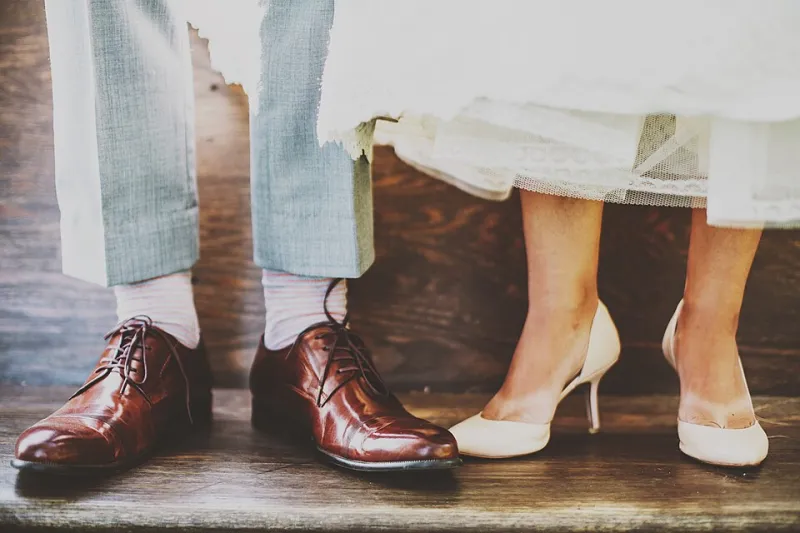
Photo: Nathan Walker nwphoto, CC0, via Wikimedia Commons
Black Friday in the UK has stretched itself into a fortnight of early access, VIP previews and countdown timers that quietly reset themselves. For couples planning a 2027 wedding, that isn't automatically good news. Bridal retail runs on deposits, made-to-order timelines and items that often can't be returned, which makes it an awkward match for a discount scrum. That said, there are real savings to be had — you just need to know which trolley to fill.
Here's how we'd approach it.
Start with a rule about discount fever
Sales create urgency. Weddings create urgency. Put the two together and people buy things they didn't need, at a price that wasn't as good as it looked. Before you open a single tab, write down what you actually need in the next six months. Anything not on that list gets a 48-hour cooling-off period. And set a total figure rather than a percentage-saving target — a bargain on something you'd never have bought is still money spent.
Buy now: the things that reward a bit of lead time
Shoes. Not because you need them urgently, but because shoes need breaking in. Buy a block heel or a mid-heel you're confident about and wear them around the flat for a few weeks. If you haven't chosen the dress yet, stick to a heel height you're sure of — hem length is decided later, and a six-inch stiletto is a commitment, not a bargain.
Accessories. Earrings, hair vines, belts, bags, gloves, a vintage brooch. These are the least size-dependent purchases in bridal, they're easy to try on at home, and many November retailers extend their returns window past Christmas. Read that policy before you buy, not after.
Shapewear. The unglamorous hero of the whole day. Buy it in the sales and then wear it under real clothes for a few hours on a normal Saturday. You'll find out whether it rolls, digs or rides up while you still have time to exchange it.
Cover-ups. Wraps, capes, faux-fur shrugs, knit boleros and wool wraps are heavily discounted in November and utterly size-forgiving. Anyone marrying between October and March should be looking here first — our Winter Styling pieces have a few ideas on shape and proportion.
Stationery and signage. Save-the-dates, place cards, blank templates, table numbers, acrylic signs, seating plans. Paper discounts are genuine and the stakes are low. If you're handy with a printer, blank templates are where the savings really stack up.
The getting-ready kit. Robes, hangers, slippers, ring boxes, flat-lay props. None of it needs to match a dress, so there's no risk in buying early.
Wait: the things that punish a bargain
The dress itself. Sample sales can work beautifully, but only if the sample is genuinely close to your size, you've tried it on properly, the shop has given you a written alterations quote, and you understand it is almost certainly non-returnable. Made-to-order gowns rarely discount meaningfully because the cost sits in the make, not the marketing. And a dress bought in November for a June wedding can leave you with no alteration window at all.
Anything personalised. Monogrammed robes, engraved flutes, printed signage with names and dates. These are exempt from the usual cancellation rights and effectively impossible to return. Buy them once, late, when the details are locked.
Veils and hairpieces matched to the dress. A veil that works with an A-line can look completely wrong over a crepe column. Buy after the gown, not before it.
Anything marked final sale. If the listing says non-returnable, treat it as a purchase, not a trial. That's fine for a hair vine you've seen in person. It is not fine for a £600 dress you've only seen on a model.
Beauty and styling packages sold through Instagram deals. Trials are where you find out whether the person is right for you. A discount isn't worth a rushed trial.
The non-returnable trap
UK online shoppers get a 14-day cancellation right on most purchases, but there are exceptions: personalised goods, items sealed for hygiene once opened, and anything clearly bespoke. High-street festive returns policies often cover November purchases, but bridal boutiques and marketplace sellers frequently set stricter terms of their own. Screenshot the returns page at the point of sale. Note the last posting date and don't assume you'll sort it later.
When something expensive arrives, film yourself opening the parcel. Keep the packaging for a fortnight. Photograph any flaw the same day. It sounds paranoid; it takes ninety seconds and has rescued plenty of people.
A rough order of operations
- Mid-November: write the list, start price-tracking. A lot of 'was' prices are inflated, so check what the item cost in October.
- Black Friday week: buy only list items where the discount beats the price you tracked.
- Cyber Monday: stationery, templates, printables.
- Early December: chase anything that hasn't arrived, and start refunds early.
- January: the real bridal sales — sample sales, white sales, venue open days.
- After your first fitting: buy whatever the dress actually tells you it needs.
What January does better
January is when boutiques clear last season's samples, and it's also when you have fitting information to work from. If you're marrying in late 2027, waiting is rarely a mistake. If you're marrying in spring 2027, November is your last comfortable window for shoes and accessories, so prioritise those and let the rest go.
The short version
Buy the time-sensitive, size-forgiving, easy-to-return things now. Wait on anything bespoke, personalised, sized around a dress you haven't chosen, or sold as final sale. And remember that the best discount in bridal is a purchase you never have to make twice.