What the Forecast Does to Tulle: A 2026 Real-Venue Guide to Wedding Veils
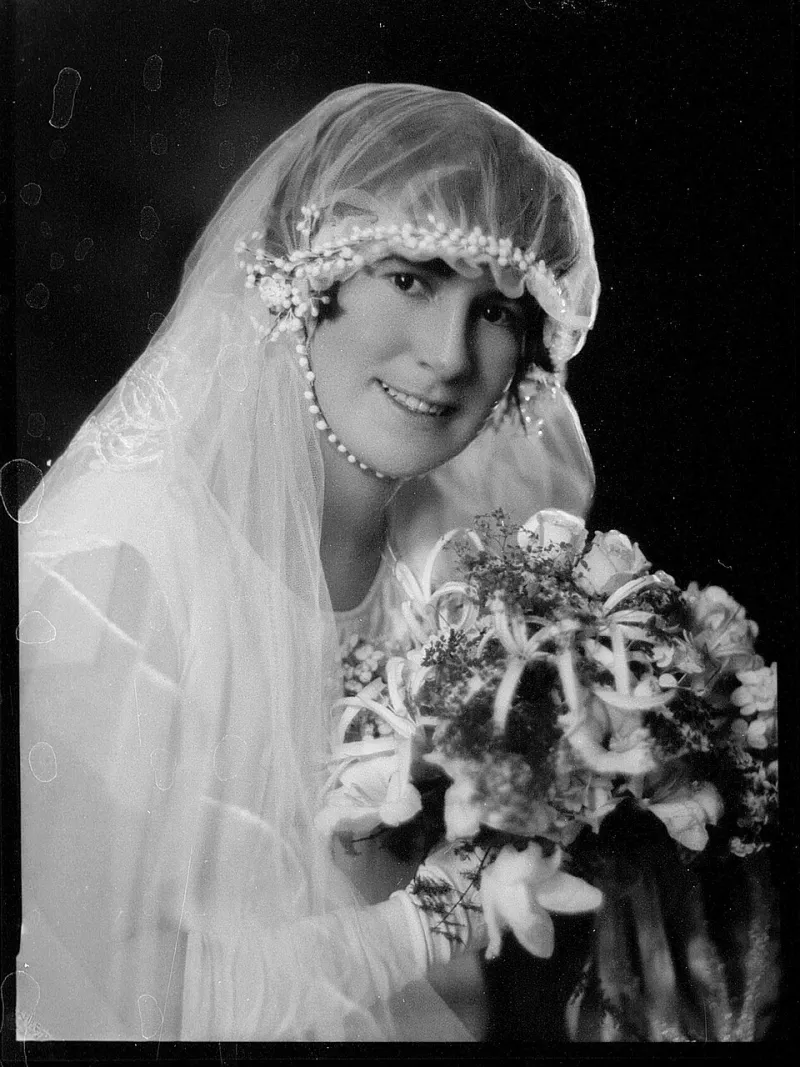
Photo: Australian National Maritime Museum on The Commons, No restrictions, via Wikimedia Commons
A veil is one of the few bridal pieces that has to perform in public. It has to sit still while you say your vows, move nicely when you turn, behave in photographs and survive whatever the British sky decides to do between the car and the door. In a fitting room, almost any veil looks lovely. Outside, the truth comes out.
That is not a reason to skip one. It is a reason to choose with the venue in mind rather than the mood board alone. At Z Bridal Studio, the useful question is not simply whether a veil suits the dress. It is whether it suits the doorway, the forecast and the twenty minutes you will actually spend outdoors.
Begin with the doorway, not the dream board
Ask any recently married couple about the accessory they underestimated and the veil often comes up. Not because it was wrong, but because it was chosen for a still photograph rather than a real entrance.
Start with the practical geography of your day. A registry office may have a narrow corridor, a shallow step and a queue of staff behind you. A church may offer a grand aisle but a cramped porch where umbrellas, confetti and relatives all compete for space. A marquee or barn wedding might mean grass, gravel and a short walk that feels much longer in wind. A coastal ceremony can be glorious and gusty in equal measure.
If the veil has to travel through tight spaces, a long train and a wide, stiff edge will quickly become a job for a bridesmaid. If the ceremony is outdoors, the veil will spend more time in the breeze than on your shoulders. Neither scenario rules out a veil. It simply points you towards a length, weight and fixing that can cope.
Length is a weather decision as much as a style one
The blusher is the quiet overachiever of veil lengths. It frames the face, works with almost any dress neckline and can be flipped back after the ceremony. It is also the easiest length to manage in a small room or a stiff breeze. For a 2026 registry office wedding, it is worth trying before you assume you need more fabric.
Elbow and fingertip lengths are the practical middle ground for many UK weddings. They give movement in photographs without turning into a sail on an exposed headland. Fingertip veils also tend to sit well with dresses that have interesting back details, because they finish the look without burying it.
Waltz length is a lovely option for outdoor ceremonies where you want presence without a full cathedral sweep. Chapel and cathedral lengths are dramatic and photograph beautifully indoors, particularly in a church with a long aisle. Outdoors, though, they need a calm day and a willing helper. On a windy coastal path, a cathedral veil is less an accessory and more a parachute.
A useful rule: the more exposed the venue, the shorter the veil should probably be. If you love the romance of a long veil, consider wearing it for the ceremony and switching to something shorter, or removing it entirely, for the outdoor photographs and reception.
Fabric and edge finishes change everything
Tulle is the classic veil fabric, but not all tulle behaves the same way. Fine, soft tulle floats and photographs with a light, airy quality. English net has a little more body and can hold a shape more confidently. Chiffon is soft and fluid, though it can crease and tangle more readily in wind. Lace appliqué adds weight, texture and a slightly more traditional feel.
Weight is your friend in a breeze, but only up to a point. A very lightweight veil is beautiful in a still room and difficult on a blustery day. A heavier veil can feel more grounded, but may also be stiffer and less comfortable in a tight space. If your venue has a reputation for wind, ask to see the veil in a few different weights rather than choosing by appearance alone.
Edge finishes matter just as much. A narrow ribbon edge looks clean and neat, and tends to stay calm. A lace edge is romantic and adds a little weight. A horsehair braid edge holds a beautiful curve and gives structure, but it can also catch the wind and become quite lively outdoors. Beaded edges are lovely and substantial, though they can catch on fabric and feel heavier by the end of the day.
For a church or a formal indoor venue, you have more freedom. For a marquee, a garden or a coastal setting, choose an edge that will not turn into a whip in the first gust.
Fixings are where veils are won or lost
A veil is only as good as the thing holding it in place. A narrow comb with short teeth may be fine for a still indoor ceremony, but it is not the safest choice for a windy day. Look for a comb with enough width and depth to grip your hair properly, and try it with the hairstyle you actually plan to wear.
If you are having a hair trial, take the veil with you. This is the only reliable way to see how the comb sits with pins, clips and any headpiece. A veil that is pinned in only one place can shift when you turn or hug someone. A second comb or a discreet clip can make a real difference, especially if your hair is fine or very smooth.
Avoid relying on a single pin pushed into a delicate updo. Wind, rain and repeated hugging will find the weak point. Ask your stylist to show you how the veil is secured and whether they recommend a spare comb. Keep a couple of matching pins in your emergency kit.
A small weather plan goes a long way
Rain is the obvious British risk, but wind is often the more disruptive one. If your ceremony is outdoors, ask someone to hold the veil as you walk, and practise turning in it before the day. If the forecast is changeable, have a indoor backup plan for photographs and a cloth bag or garment bag for the veil when it comes off.
If the veil does get damp, avoid screwing it into a ball. Let it hang to dry somewhere safe and keep it away from direct heat. A church porch is a useful limbo space: you can pause, adjust the veil and let the worst of a shower pass before the photographs.
The dress still has the final say
All of this practicality only matters if the veil works with the dress. A veil should frame the back of the gown, not fight it. If your dress has a beautiful row of buttons, an illusion back or a dramatic bow, a sheer veil lets those details show through. If the dress is very simple, a lace-edged veil can add texture and interest.
Try the veil with the dress in daylight, not just under boutique lighting. Take a photograph from behind and to the side. Ask how it looks in flash photography if you are having an evening reception. And be honest about whether you want to wear it all day or simply for the ceremony. A detachable veil is not a compromise; it is a sensible plan.
The fitting-room test to actually do
Before you commit, walk the length of the shop in the veil. Turn corners. Sit down. Hug someone. Walk through a doorway. If the boutique has a fan or a windy spot by the entrance, use it. Ask the assistant how the veil behaves when it is taken off and put back on. Check the returns policy if you are ordering a length you have not tried.
A veil can be one of the most romantic pieces you wear, but it should not require constant management. The right one will feel secure, suit the dress and look good in the places you are actually going to stand. Choose for the doorway, the forecast and the photographs, and the romance will take care of itself.